

A luminous coming-of-age story of belonging, courage, and the quiet power of seeing beyond fear when it matters most
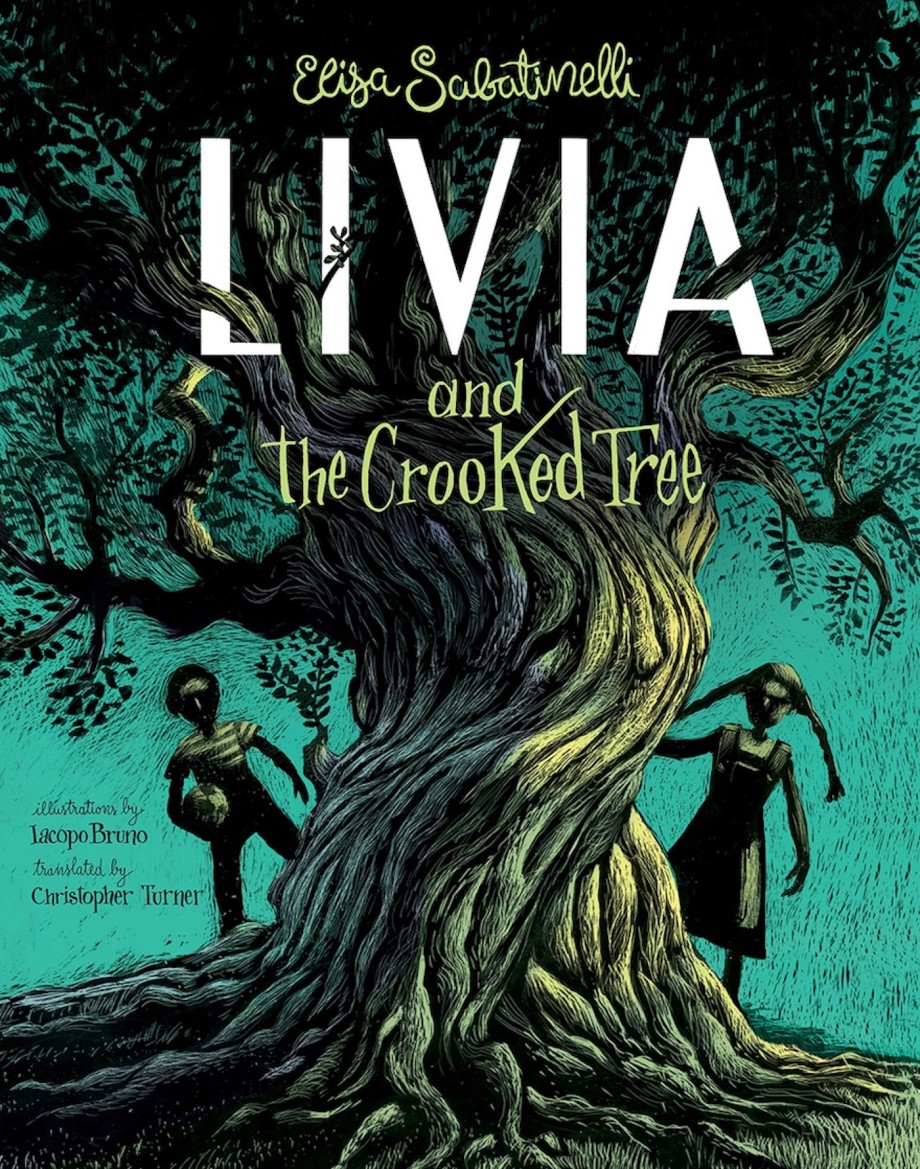
In a small Italian hilltop village where life follows the steady rhythm of the olive harvest, ten-year-old Daniele has always known where he belongs. Then Livia arrives—slight, pale, and impossible to ignore—living in a crumbling house beneath a crooked olive tree that has never borne fruit. At first, she is only a curiosity. But when the harvest begins to fail, whispers take root and fear spreads, and Livia's differences make her an easy target. Drawn to her quiet strength yet afraid of standing apart, Daniele must find the courage to see beyond what others believe—and decide for himself what is true. Lyrical, evocative, and deeply affecting, Livia and the Crooked Tree is a powerful story of friendship, belonging, and the moment a child begins to understand that what is fragile is not always weak—and that truly seeing can change everything.
Praise
“Sabatinelli imbues this gently magical story, set among Italian olive groves, with the understanding that “here, nature reigns, we humans are just visitors.” Her gorgeously described landscapes set the stage for a coming-of-age story as old as time with themes of outsiders, fear, and the unknown. This slim novel is a lovely snapshot of a lesser-known corner of Italy, told in a fable-esque way with allusions to curses and treasures. While the ending may leave readers wanting more, they will enjoy the atmospheric laziness and timelessness of the setting. . . VERDICT A good purchase for libraries looking to increase their translated middle grade fiction holdings. A beautifully written nod to growing up, belonging, and friendship.”
—School Library Journal
“There once was a girl and a tree that changed everything. In Serrungarina, a tiny village on a hilltop in Italy teeming with olive trees, a boy named Daniele leads a “safe, peaceful, orderly” life until Livia arrives with her father. With metal in her mouth to straighten her teeth and a brace around her torso due to scoliosis, she has a crookedness that matches that of the giant, strange old olive tree next to her aunt Bea’s home. The community is leery of Old Bea, “the village oddball,” and her new arrivals, but Daniele is curious and quickly charmed by outgoing Livia’s friendliness and confidence. When the local olive trees start ailing, putting the yearly harvest—and the farming community’s livelihood—at risk, the villagers blame Livia and her peculiar family. Daniele must decide if he’ll stand up for his new friend while he hopes for a miracle. Translated from Italian, this tale set in the mid-20th century has a folkloric feel with its lyrical, descriptive writing and hint of possible magic . . . there’s a weighty emotional current throughout that movingly addresses grief and otherness. The Italian village setting is immersive, and the white-presenting characters are appealing and richly developed. Bruno’s enticing black-and-white line drawings precede each chapter. An atmospheric and poignant friendship story that evokes timeless classics.”
—Kirkus Reviews